What and Why?
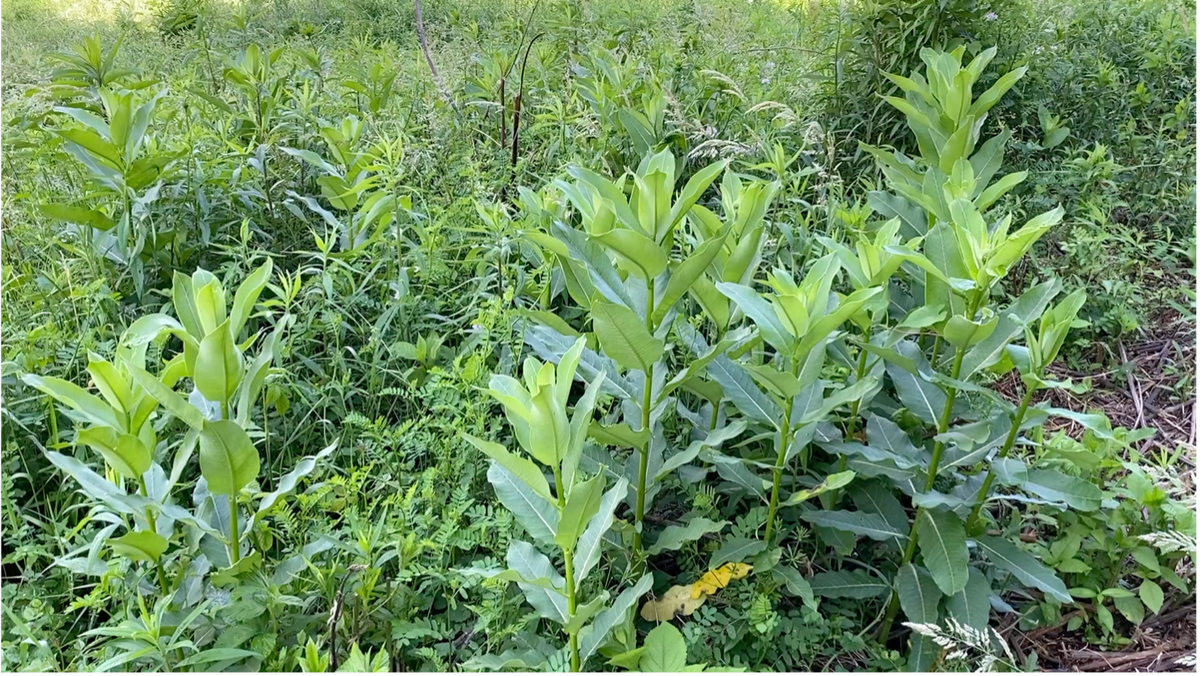
Weeds grow at a more rapid pace than desired grasses. In doing so, they “snuff-out” the grasses in pastures by taking up the soil’s nutrients and shading the immature grasses from much needed sunlight. This decrease in growth of desired grasses contributes to Livestock not adequately growing and gaining, decreasing overall profits.
Where?
Weeds thrive in areas where soil is compacted or disturbed. Areas such as high traffic areas, holding pens, feeding and water areas, and shelter areas, become the most densely populated with weeds. Once the weeds mature, they release seeds and spread to other parts of the pasture by wind, birds, or even on the hair or hooves of the livestock; thus, making the pasture become more populated with non-nutritious weeds.
How and when to control?
The opportune time to control weeds is when the plants are in an immature stage of life. This is when the weeds reach 4-6 inches in height for most species. At this stage, the weeds have leaf growth but are still vulnerable. It is suggested that at this stage, an herbicide be used that best fits the weed species, desired pasture species, and the livestock operation. This stage typically occurs around mid to late-April in this area. Proper timing depends greatly on weather and temperature. If temperatures are lower, the timing may need to be later in April or May.
When timing is ideal, most herbicides are administered through a spraying technique. The herbicide is sprayed over all species of grass and weed throughout the pasture. The Herbicide then attacks the broad leaf species, killing the plant. Knowing what desired forage species are present in a pasture before an herbicide cab be chosen is crucial to the success of the herbicide. If a desired species is considered a broad leaf, the herbicide will attack this plant too, eliminating it.
Benefits.
Killing weeds in a pasture will allow the desired species of grasses to grow and thrive, providing livestock with much needed nutrition. This optimal nutrition will increase the growth and gains of an animal, increasing the quality of product and profitability of an operation.